

Introduction
In recent years, the rise of consumer drones has revolutionized various industries, from photography to agriculture. However, as the popularity of these aerial devices increases, so does the potential for conflicts related to airspace regulations. One innovative solution is the integration of geofencing transparency dashboards, which aim to clarify no-fly zones and help mitigate disputes. This article delves into the significance of these dashboards, their implications for drone users, and the future of airspace management.
The Rise of Consumer Drones
Consumer drones have grown in popularity largely due to their accessibility and versatility. According to a report by the Federal Aviation Administration (FAA), the number of registered drones in the United States alone soared to over 1.7 million by the end of 2021. With more individuals and businesses turning to drones for recreational and commercial purposes, the need for effective airspace management has become increasingly critical.
Understanding Geofencing
Geofencing is a technology that creates virtual boundaries around specific geographical areas. When a drone enters or exits these predetermined zones, it receives notifications or restrictions. This technology helps to prevent drone flights in sensitive areas, such as airports, military bases, and other no-fly zones.
How Geofencing Works
- GPS Tracking: Drones are equipped with GPS systems that allow them to determine their location accurately.
- Boundary Setting: Manufacturers can program the drone’s software with geographical boundaries that should not be crossed.
- Real-time Updates: Geofencing systems can receive updates about no-fly zones, ensuring that drone operators stay informed.
- Automatic Restrictions: If a drone approaches a no-fly zone, it may automatically restrict its altitude or redirect itself.
The Role of Transparency Dashboards
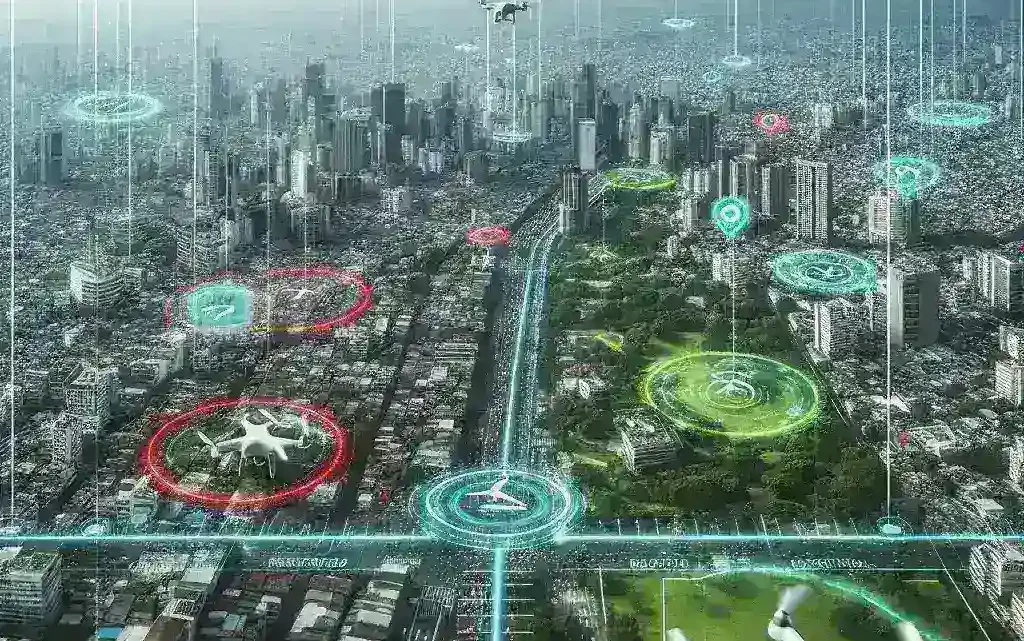
While geofencing technology plays a critical role in airspace management, the introduction of transparency dashboards takes it a step further. These dashboards provide users with a visual representation of no-fly zones, helping them to understand restrictions in real time.
Key Features of Transparency Dashboards
- User-Friendly Interface: The dashboards are designed with intuitive layouts, making it easy for users to navigate and understand the data presented.
- Live Updates: Users receive real-time updates about changes in no-fly zones, ensuring compliance with current regulations.
- Historical Data Access: Users can view previous restrictions and understand how regulations have evolved over time.
- Custom Alerts: Operators can set alerts for specific areas, ensuring they are reminded of proximity to no-fly zones.
Benefits of Transparency Dashboards
The implementation of geofencing transparency dashboards presents numerous advantages:
- Enhanced Safety: By providing clear information about no-fly zones, these dashboards reduce the risk of accidental violations, ensuring safer drone operations.
- Increased Compliance: Operators are more likely to comply with regulations when they have easy access to relevant information.
- Dispute Resolution: In cases where a dispute arises, the data from transparency dashboards can serve as evidence, helping to resolve conflicts fairly.
- Education and Awareness: These dashboards educate users about airspace regulations, fostering a culture of responsible flying.
Challenges and Limitations
Despite the benefits, the introduction of transparency dashboards is not without challenges:
Technological Barriers
Some older drones may not be equipped to handle advanced geofencing technologies, creating a divide between experienced and novice operators. Manufacturers must ensure that all devices can access these new features.
Data Accuracy
For dashboards to be effective, the data provided must be accurate and up-to-date. Inaccurate or outdated information can lead to misunderstandings and potential violations.
User Adoption
Encouraging all drone users to utilize transparency dashboards is crucial. Education and outreach programs may be necessary to promote their benefits.
Future Predictions
As the drone industry continues to evolve, the integration of geofencing transparency dashboards is expected to become more widespread. Here are some predictions for the future:
- Standardization: As the technology matures, we may see standardized regulations for geofencing across different regions and countries.
- Integration with other Technologies: Future drones may integrate with smart city technologies, allowing for even more advanced airspace management solutions.
- Increased Collaboration: Governments, manufacturers, and drone operators will likely collaborate more closely to ensure safety and compliance in shared airspace.
Conclusion
Consumer drones are poised to revolutionize the way we think about airspace management. The addition of geofencing transparency dashboards represents a significant step forward in promoting safe and responsible drone use. As technology advances and regulations evolve, these dashboards will play a pivotal role in resolving no-fly zone disputes, enhancing compliance, and fostering a safer aerial environment for everyone. Understanding and embracing this technology is vital for all drone operators who wish to navigate the skies responsibly.